
On Ground Services (Operations)
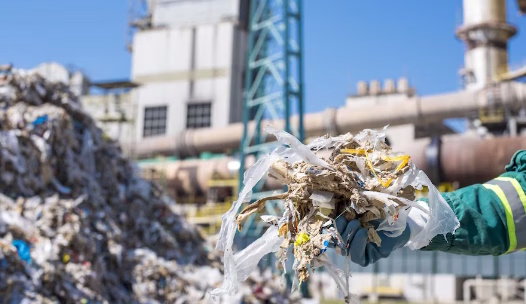
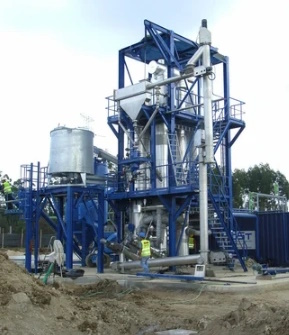
Hazardous waste Management Plant
Hazardous waste is waste that poses a threat to public health or the environment due to its chemical, biological, or physical properties. Hazardous waste management involves handling, storage, transportation, and disposal of hazardous waste in a safe and environmentally sound manner. Hazardous waste management is a specialized area of waste management that involves the handling, transport, treatment, and disposal of hazardous waste. We are having expertise in the management of hazardous waste, ensuring compliance with regulations and minimizing risks to public health and the environment.
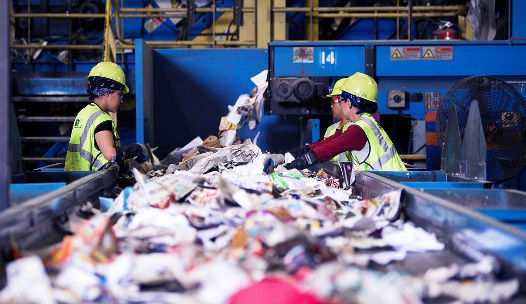
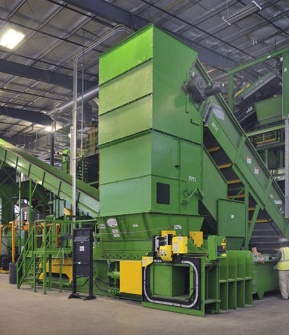
Material Recovery Facility (MRF)
A Material Recovery Facility (MRF) is a specialized recycling plant that processes and separates recyclable materials collected from households and businesses into different categories, such as paper, plastic, metal, and glass. The MRF uses various methods, such as mechanical sorting, handpicking, and air classifiers, to separate the materials. Once separated, the materials are baled or packaged and then sold to manufacturers who use them to make new products. MRFs are an essential part of the recycling infrastructure and play a vital role in reducing waste and conserving resources.
Landfill Management
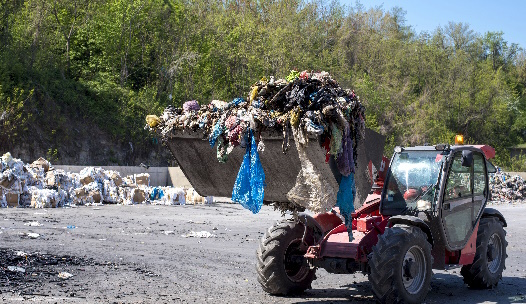
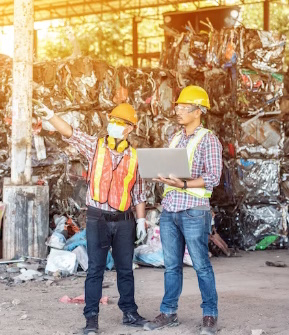
Landfills are large areas where waste is buried in the ground and covered with layers of soil to prevent contamination of the environment. Landfills are facilities for the disposal of non-recyclable waste. Proper landfill management involves site selection, construction, operation, and closure to ensure that they are safe and do not harm the environment. Our team has a vast knowledge and working experience of Constructing and Maintenance of Engineered and Sanitary Landfills.

Waste to Energy Plants
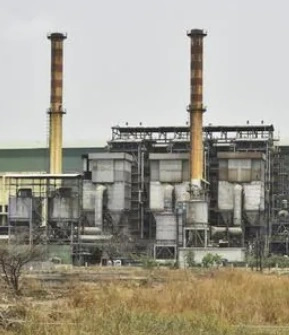
Also known as energy recovery facilities, are designed to use waste as a fuel to produce energy. These facilities convert non-recyclable waste into electricity, heat, or fuel through a variety of technologies such as incineration, gasification, and pyrolysis.
The main goal of these plants is to reduce the amount of waste that ends up in landfills while generating energy in a sustainable way. They help to reduce the environmental impact of waste disposal by diverting waste from landfills and reducing greenhouse gas emissions from decomposition.
Waste to energy plants typically process municipal solid waste (MSW), industrial waste, and hazardous waste. Due to the technological advancements, modern WtE plants are able to process waste in a more efficient and cleaner way with lower emissions of pollutants and greenhouse gases.
Waste to energy plant is an important component of a circular economy, where materials and resources are kept in use, and waste is valued as a resource rather than a burden. While they may not be a complete solution to the waste management problem, they are an effective method of reducing waste and generating energy in a sustainable way.
Biodegradable Waste Management
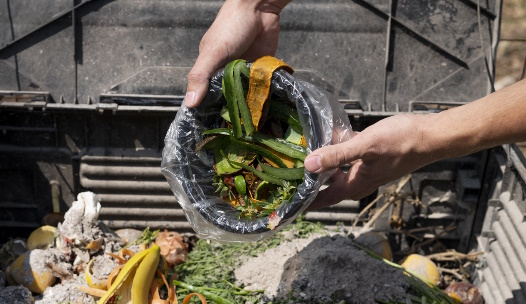
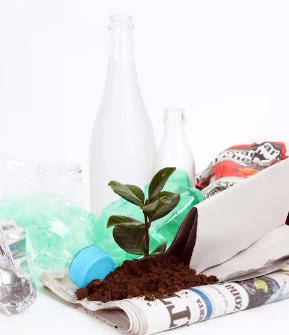
Biodegradable waste includes organic waste such as food waste, yard waste, and biodegradable plastics. Proper management of biodegradable waste is essential to prevent environmental pollution and promote sustainable waste management practices. Biodegradable waste management refers to the proper handling, treatment, and disposal of waste materials that can be decomposed by microorganisms naturally occurring in the environment. The process of decomposition of waste is called Composting. There are following techniques involved in composting.
Aerobic Composting
This method of composting uses forced air and heat to speed up the decomposition process. Microorganisms, bacteria, and fungi require oxygen to decompose organic matter. Thus, by providing air circulation, aerobic composting creates the ideal environment for microorganisms to break down the material.
Anerobic Composting
Anaerobic composting involves decomposing organic matter without the presence of oxygen. This method is different from aerobic composting, as it produces methane as a by-product. Biogas plants use anaerobic composting to produce methane gas for energy.
Vermi Composting
Vermicomposting is a process that uses worms to decompose organic waste. Worms consume the organic matter and break it down into nutrient-rich vermicompost, which is an excellent soil amendment.
In-Vessel Composting
In-vessel composting involves the decomposition of organic waste in an enclosed container. This technique offers a controlled environment for composting, ensuring the compost reaches the desired temperature, and reducing odors.
Windrow Composting
Windrow composting is a popular method of composting for larger-scale operations such as municipalities and commercial facilities, as it is relatively low-cost and easy to implement. However, it may not be practical for smaller-scale operations or for those with limited space. Windrow composting is a method of composting organic waste materials that involves creating long piles or rows, called windrows, and allowing them to decompose over time. The process of windrow composting begins with the collection and mixing of organic waste materials such as food waste, yard waste, and agricultural waste. These materials are then piled into windrows with aeration and drainage. During the composting process, microorganisms such as bacteria and fungi break down the organic matter, producing heat and carbon dioxide. The heat generated in the compost pile helps to kill pathogens and weed seeds, while the carbon dioxide produced is released into the atmosphere. The windrows must be turned regularly to ensure proper aeration and moisture , which are critical for the success of the composting process. The frequency of turning depends on the materials being composted, the climate, and the size of the windrow., after which the compost can be used as a soil amendment for landscaping and gardening.
Pit Composting
Pit composting is a method of composting where organic waste is buried in a hole or pit in the ground. This method is particularly useful for those who have limited space for composting, as it can be done in a small area and does not require a lot of maintenance. It's important to layer your organic waste with soil or other carbon-rich materials like leaves, sawdust, or straw. This helps to create air pockets and allows for proper decomposition. You can also add water to the pit to help facilitate the composting process. It's important to monitor the compost pile periodically to ensure that it stays moist and aerated. You can do this by digging a small hole in the pile and checking the moisture level. If it is too dry, add water. If it is too wet, add more carbon-rich materials. After several months, the compost should be ready to use. You can remove the compost from the pit and use it to enrich your soil or garden. It's important to note that pit composting may not be suitable for everyone, especially those with heavy clay soils or in areas with high water tables. In these cases, other composting methods may be more appropriate.
Solar Composting
Solar composting utilizes solar energy to evaporate moisture from the organic waste. This method requires a compost bin or heap covered with a clear plastic sheet, which allows the sun's rays to penetrate and evaporate moisture. The composting process is accelerated, and the end result is a high-quality compost.